

Why Play Is One of the Most Powerful Ways Children Learn
When we think about learning, we often picture children sitting in a classroom, reading books, completing worksheets or practising maths problems. But some of the most valuable learning experiences happen when children are doing something much simpler: playing.
From inventing games with friends to tackling physical challenges, building something creative or working together to solve a problem, play gives children opportunities to develop skills that support them both inside and outside the classroom.
And the best part? Children don't always realise how much they're learning along the way.
Learning Beyond the Classroom
School plays an important role in children's development, but learning doesn't stop when the school bell rings.
Play allows children to explore ideas, experiment with different approaches and learn through experience. Instead of simply being told how something works, they get to try it for themselves.
For example, a group game might require children to follow instructions, make decisions and adapt when things don't go to plan. A creative activity might encourage them to think independently, express their ideas and find their own solutions.
These experiences complement classroom learning by giving children opportunities to put different skills into practice in a relaxed and enjoyable environment.
5 Important Skills Children Develop Through Play
1. Problem-Solving and Critical Thinking
Not every game goes according to plan. Sometimes children need to change their strategy, work out how to overcome an obstacle or find a different way to complete a challenge.
These moments encourage them to think creatively, consider their options and learn from their mistakes.
Whether they're working through a team challenge, navigating an obstacle course or inventing their own game, children have opportunities to practise solving problems independently and alongside others.
2. Communication and Teamwork
Playing with other children creates plenty of opportunities to communicate.
Children learn to explain their ideas, listen to others, negotiate rules and work towards a shared goal. They also begin to understand the importance of taking turns, being fair and respecting different opinions.
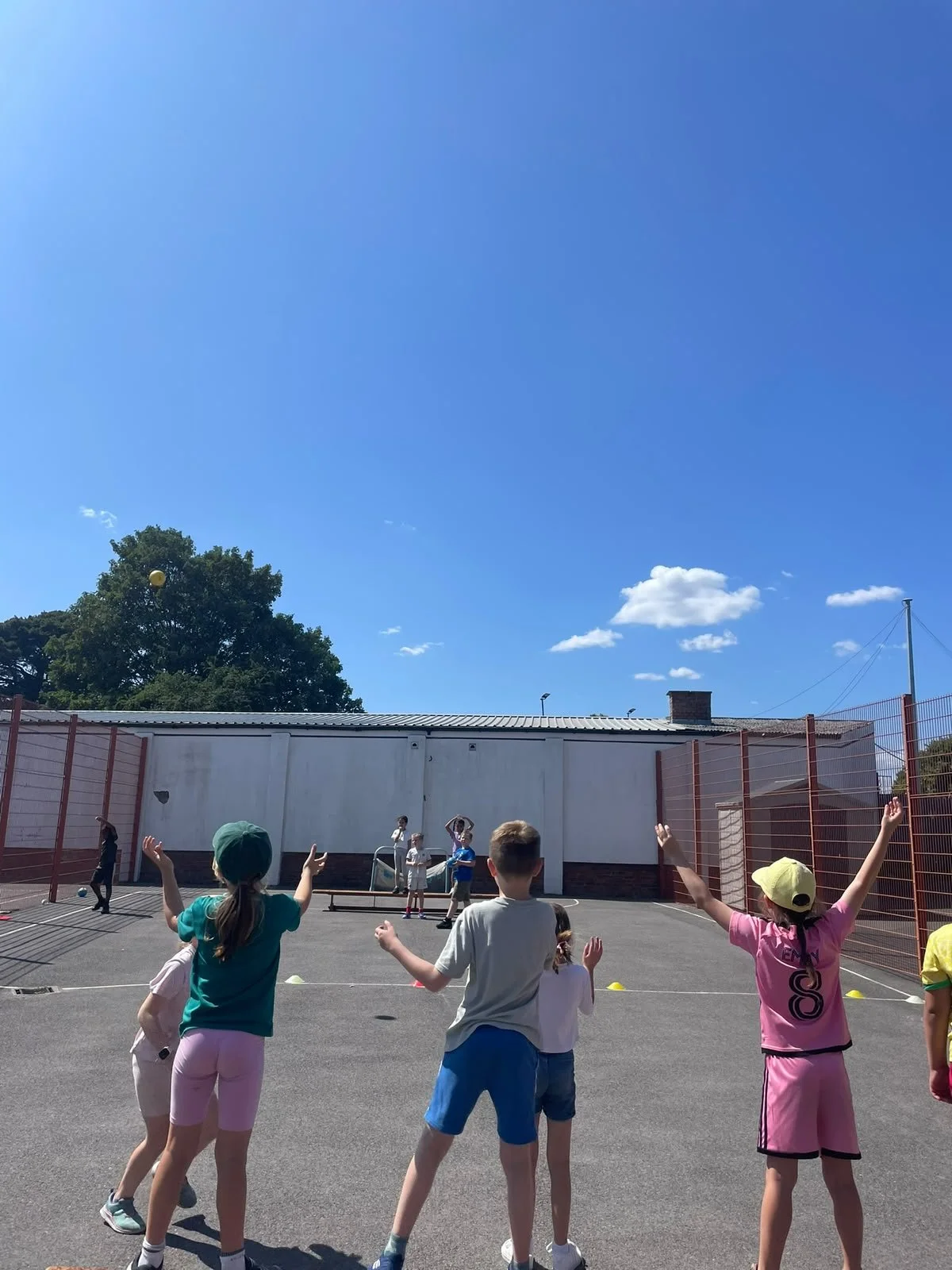
Team games are particularly useful because success often depends on how well everyone works together, rather than on one person's individual ability.
These experiences can help children develop social skills that are valuable at school, at home and in future relationships.
3. Creativity and Imagination
Play gives children the freedom to think beyond the obvious.
A simple collection of craft materials can become an imaginative creation, while an ordinary game can turn into an entirely new adventure. Children can experiment with ideas, make decisions and express themselves in ways that feel natural to them.
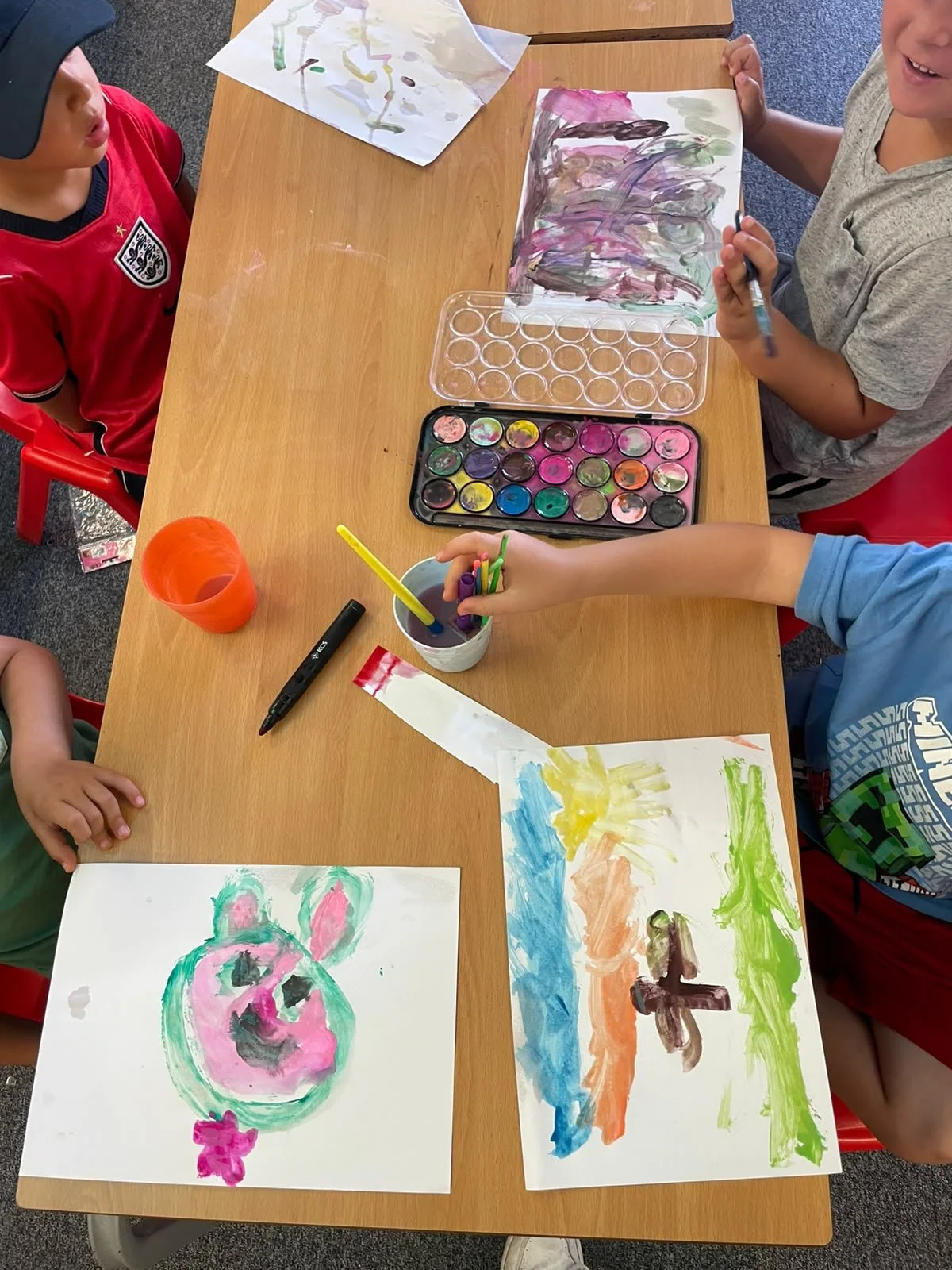
Creative play also provides opportunities for children to discover their interests and explore different ways of approaching a task.
There isn't always one correct answer, and that's part of what makes these experiences so valuable.
4. Physical Development and Coordination
Active play is another important part of childhood development.
Running, jumping, throwing, catching and navigating obstacles help children practise a range of movement skills and develop coordination.
Different activities challenge the body in different ways. A game of football might involve balance and footwork, while dodgeball encourages children to react quickly and coordinate their movements.
Regular opportunities to move also help children develop a positive attitude towards physical activity, particularly when the focus is on enjoyment rather than competition.
5. Confidence and Independence
Play gives children opportunities to make decisions, try unfamiliar activities and discover what they can do.
They might attempt a challenge they initially find difficult, learn a new game or take the initiative when working with a group.
Not every attempt will be successful, but these experiences can help children become more comfortable with making mistakes and trying again.
Over time, children can begin to trust their own judgement, recognise their progress and feel more confident about approaching unfamiliar situations.
Why Variety Matters
Children don't all learn, play or explore in the same way.
Some enjoy energetic team sports, while others prefer creative activities, imaginative games or challenges that require more thought and planning.
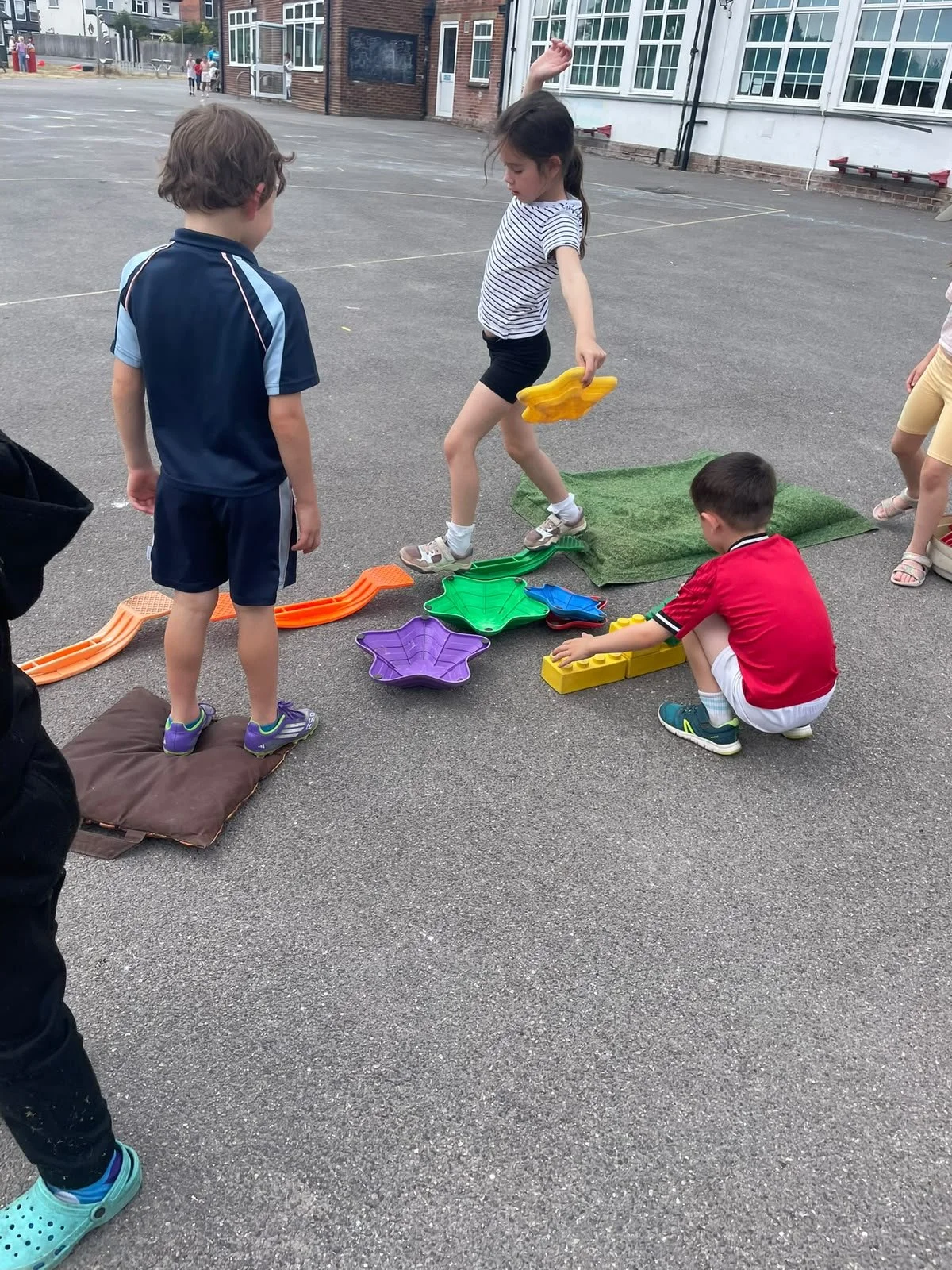
Providing a variety of experiences gives children opportunities to discover what interests them and develop different skills along the way.
It's also worth remembering that children don't have to excel at every activity to benefit from it. Sometimes, simply having a go, joining a group or discovering something they enjoy is an achievement in itself.
A balanced mix of physical, creative and social activities can help keep children engaged while giving them different ways to learn through experience.
Making Time for Play During the School Holidays
School holidays provide a valuable opportunity for children to step away from their usual classroom routines and enjoy different experiences.
While rest and family time are important, holidays can also be a chance to explore new interests, stay active and spend time with other children.
Parents don't need to organise an elaborate activity every day, either. Simple games, outdoor adventures, creative projects and opportunities to play with friends can all make a difference.
For families looking for a little more structure, multi-activity holiday camps can offer a combination of sports, games, creative activities and group challenges in one setting.
Children get to enjoy their holidays while having opportunities to learn, explore and play in different ways.
Discover Learning Through Play at Supreme Camps
At Supreme Camps, we believe school holidays should be about more than simply keeping children busy. They're an opportunity for children to enjoy themselves, try different activities and make the most of their time away from the classroom.
Our multi-activity camps combine sports, team games, creative activities and exciting challenges, giving children plenty of opportunities to get involved and discover what they enjoy.
From football and dodgeball to Laser Tag, Nerf Wars, inflatables and arts and crafts, there's a variety of experiences for children to explore.
With our October Half-Term camps starting on Monday, there's still an opportunity to plan some fun for the school holidays.
October Half-Term Camp details
Hillcroft School, Caterham: Monday 19th–Friday 23rd October, with a second week from Monday 26th–Friday 30th October.
Woodcote High School, Coulsdon: Tuesday 20th–Friday 23rd October.
Camp times: 9:00am–4:00pm.
Ages: 4–12 years.
Whether your child loves sport, enjoys getting creative or simply wants to try something new, Supreme Camps offers opportunities to play, explore and enjoy new experiences during the holidays.
Find out more about our upcoming camps below: